Every experience at The Kayon Gangga was built around a single question: what does it feel like to actually live here? The answer begins before you unpack, with the Gangga Arrival Blessing Ritual, a seven-step welcome ceremony drawn from Balinese purification tradition that marks the moment your stay truly starts. Everything below it was designed to keep that feeling going.
Balinese culture is not something you observe. It is something you are invited into. Wanna Gangga runs a weekly programme of hands-on activities drawn from the living traditions of Karangasem. Each one is led by someone who has practiced it their entire life.
A glimpse of the experience:
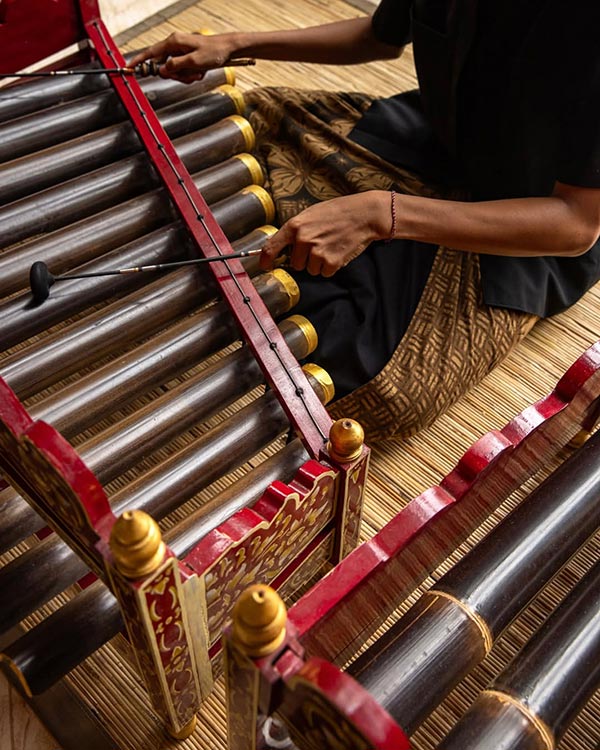
Rindik
Learn to play the bamboo xylophone that has accompanied Balinese ceremony for generations. The sound of a rindik at dusk in Karangasem is something you carry home without realising it.
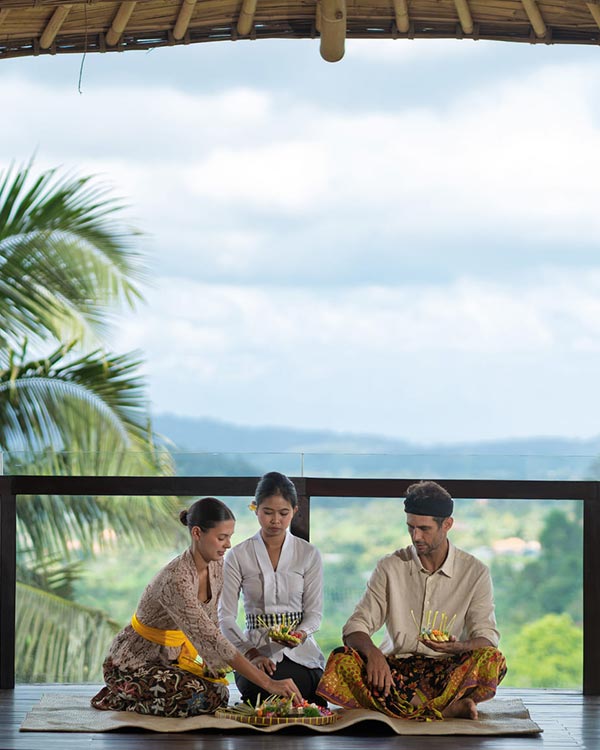
Making Canang
The daily offering that Balinese Hindus place at temple gates, doorways, and sacred sites across the island. To make one is to understand something about how Balinese life is organised around gratitude and ritual.
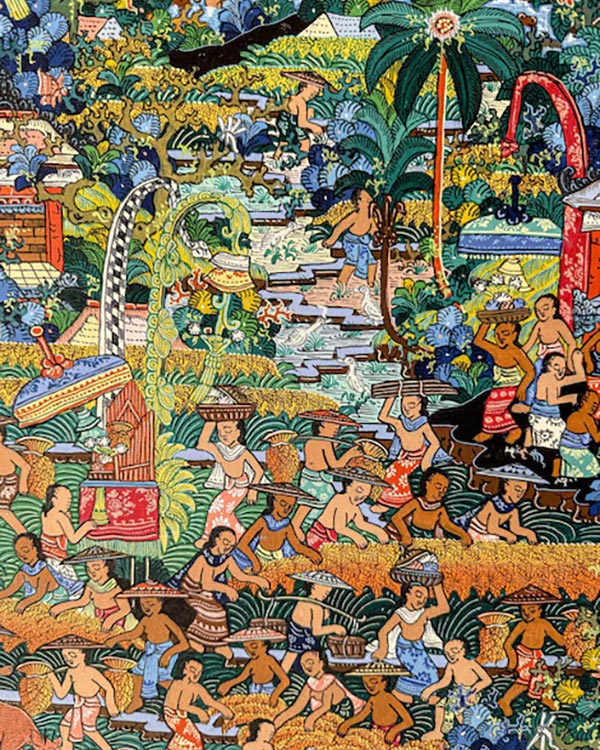
Balinese Painting
Traditional painting techniques taught in the style of Karangasem’s own artistic heritage, one of the most distinctive in Bali.
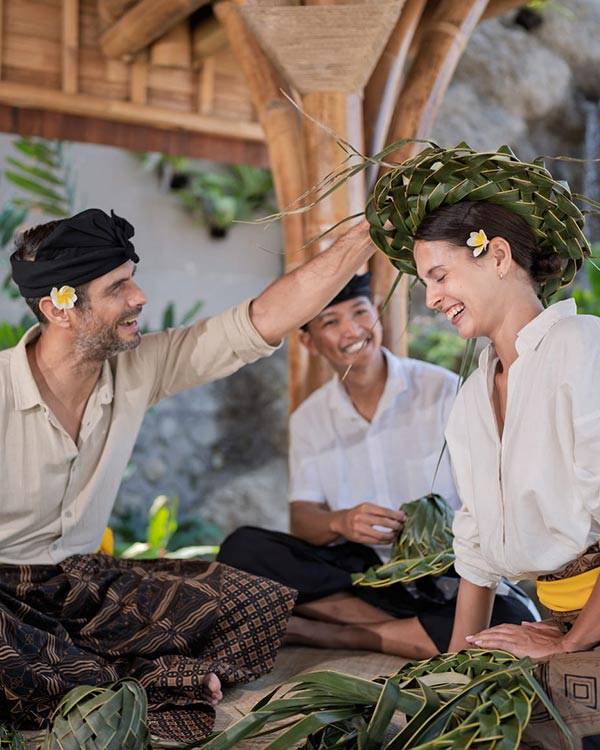
Making Klangsah
The art of weaving young coconut leaves into ritual decorations. Found at every ceremony in Bali. Rarely taught to visitors.
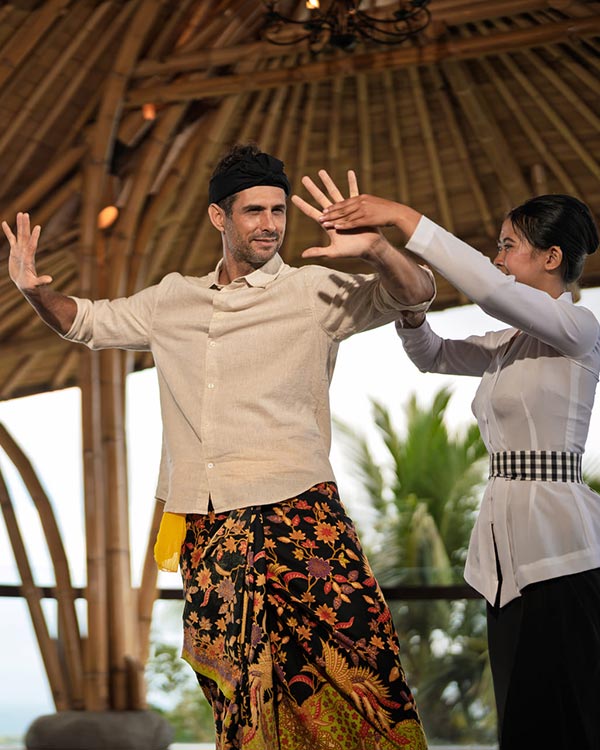
Balinese Dance
Legong, Joged, and Karangasem’s own performance traditions, taught by dancers who perform them, not for tourists, but for the culture itself.
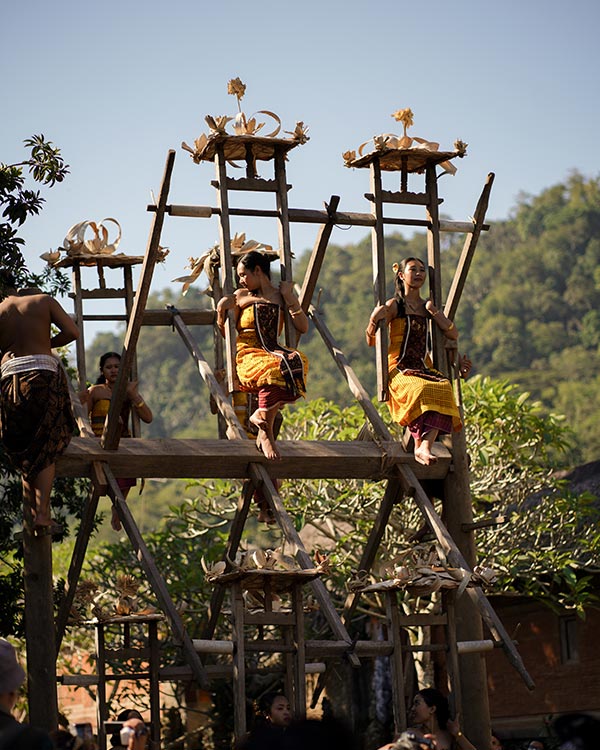
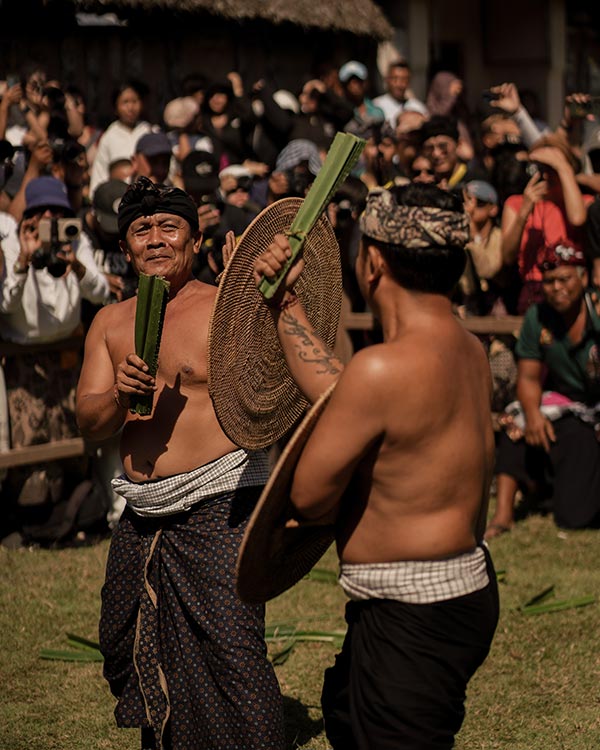
Me-Ayunan (Jantra)
A traditional Karangasem ceremony and ritual experience that connects guests to the specific spiritual heritage of this region. Distinct from anywhere else in Bali.
Beyond the resort, into Karangasem itself
Some experiences don’t happen on the property. They happen in the villages, the royal palaces, and along the coastlines of Karangasem, places that have practiced their crafts and held their histories long before tourism existed, and intend to keep doing so.
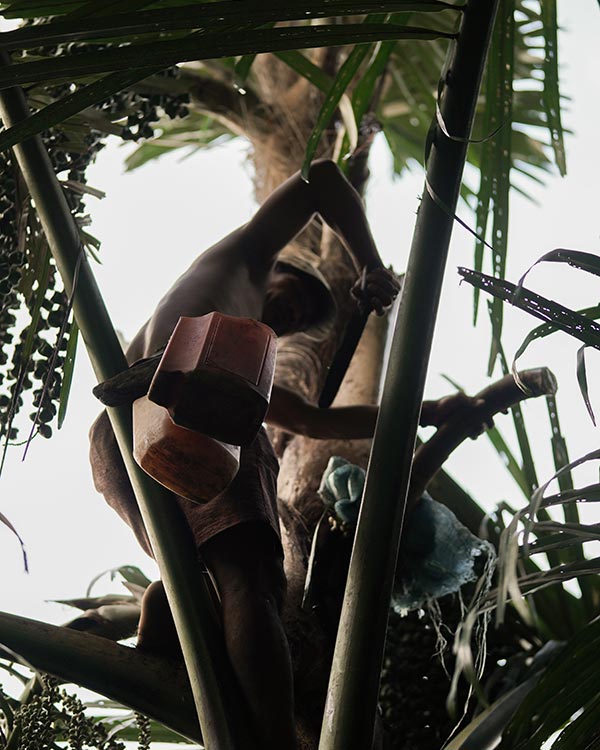
Tuak Making
Tuak, fermented aren palm wine, is not just a drink. It is a living social ritual, woven into the rhythm of village life across Karangasem. To witness and participate in its traditional fermentation process is to step into a community gathering that most visitors to Bali never know exists.
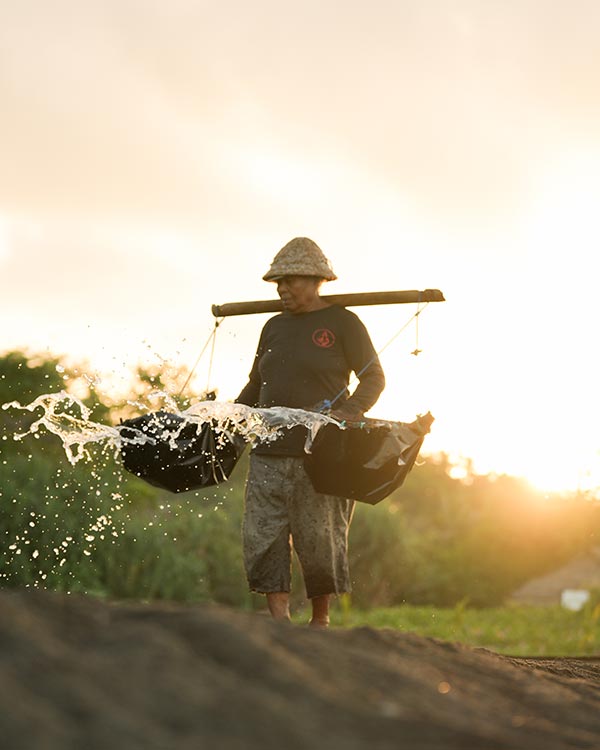
Salt Making
Traditional sea salt production in Bali has almost disappeared. The method is still practiced in pockets of Karangasem by the families who learned it from their grandparents. This is a rare chance to understand it before it is gone entirely.
Pandan Weaving
Pandan weaving is not a craft class. It is a skill that has moved from grandmother to granddaughter across generations in Karangasem, without a manual, without a curriculum, only hands showing hands. Sitting beside a weaver here is to sit beside something that has survived entirely on its own terms.
A Visit to Puri Karangasem
The Puri Karangasem holds the architectural and dynastic record of a kingdom that shaped the history of Bali, still lived-in history, not a preserved ruin behind glass. A guided visit arranged through The Kayon Gangga goes beyond the gate and into the stories the palace actually holds.
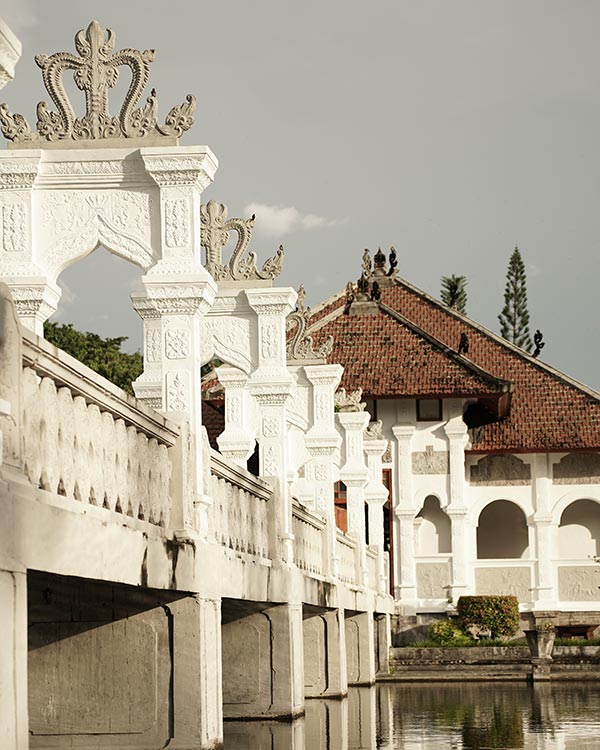
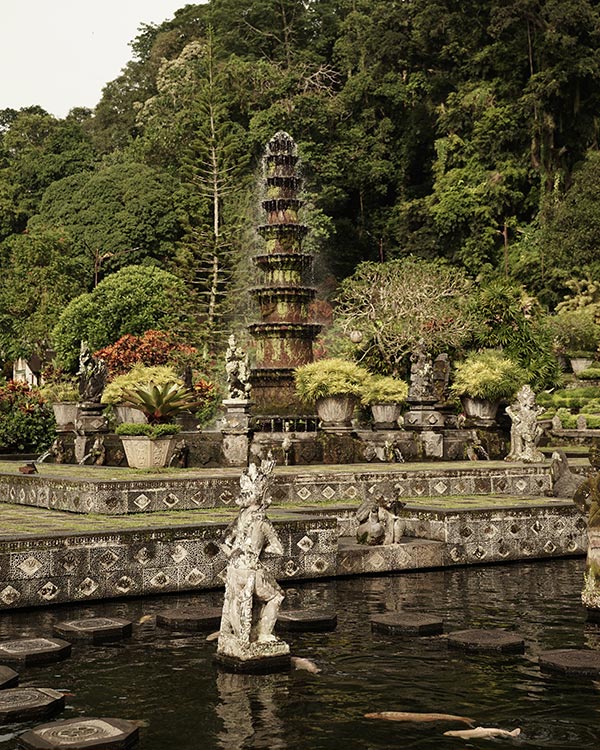
A Visit to Tirta Gangga
Built in 1946 by Anak Agung Anglurah Ketut Karangasem, the last king of Karangasem, Tirta Gangga is Bali’s royal water palace and garden. Natural springs the king considered genuinely holy, later named for the sacred waters of the Ganges. What is less known is its spiritual significance: a site of purification, of Balinese cosmological intent, of water deliberately chosen and consecrated, not merely admired. We offer a guided visit that understands the difference.
And if there’s something you’re looking for that isn’t here…
Tell us. Karangasem has more to give than any curated list can contain. Our team will do everything we can to arrange what your stay needs, whether it is something we already know how to do or something we learn to do for you.